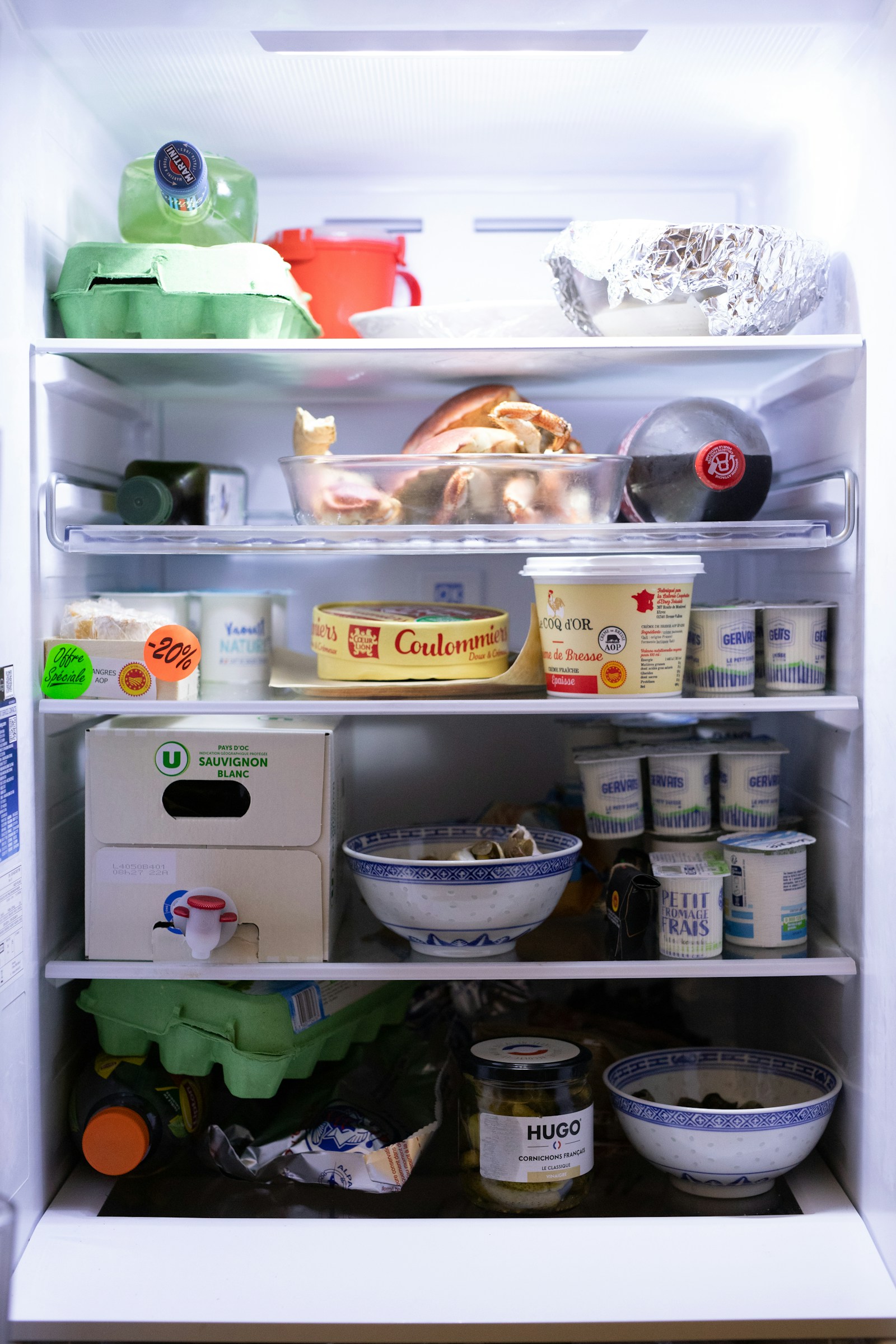
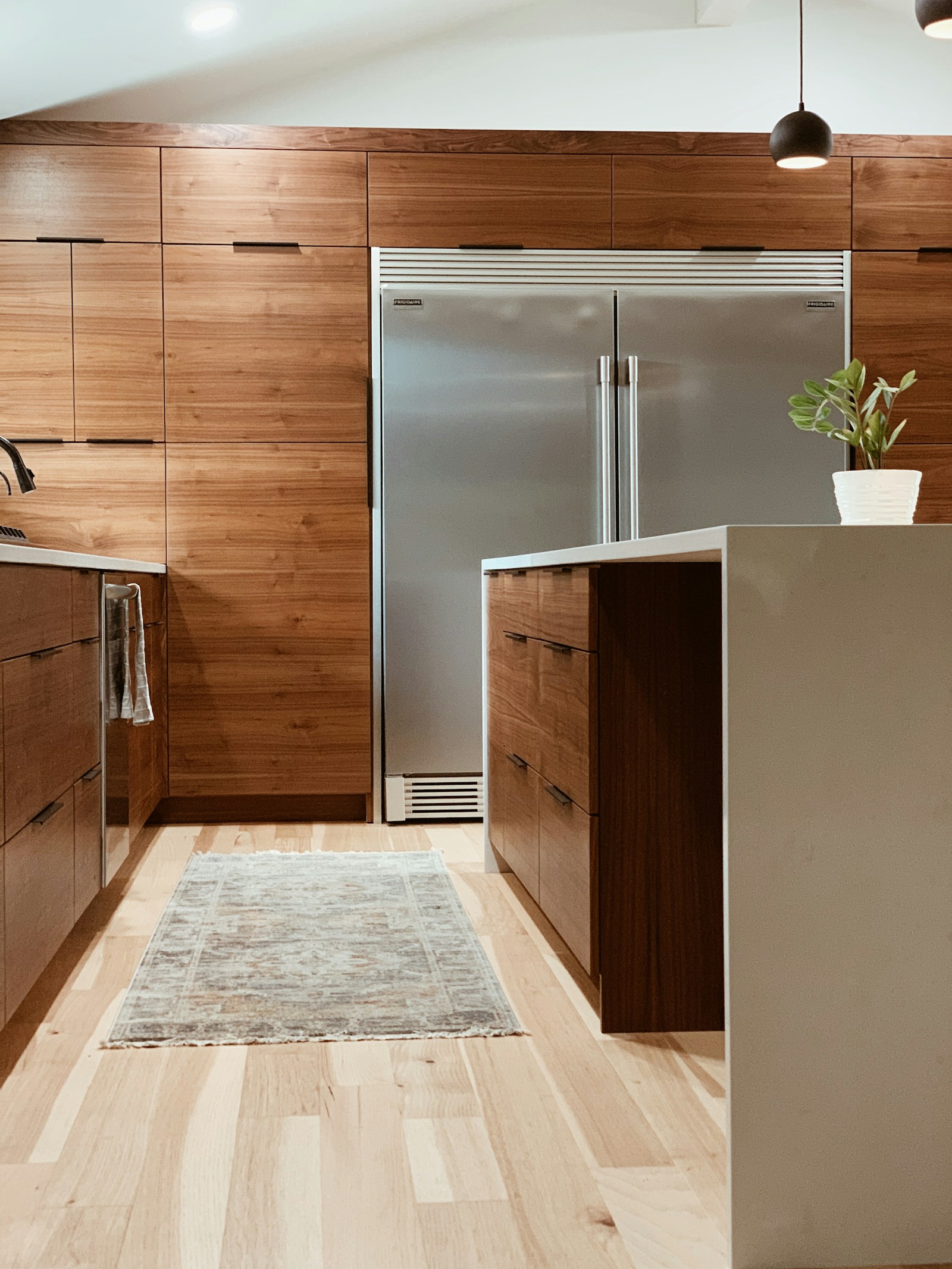
A few freezer storage tips keep food at its best and a Monogram freezer running efficiently. The freezer holds 0°F reliably, so the variables you control are how you load, wrap, and add food – all of which affect both quality and performance.
The core freezer storage tips
- Hold the freezer at about 0°F for long-term storage.
- Run Turbo Freeze before adding a large fresh load so existing food does not partly thaw.
- Wrap food airtight to prevent freezer burn and odor transfer.
- Keep the unit reasonably full – a fuller freezer holds temperature more steadily.
Airflow matters
Do not block the internal vents with packed items; the freezer needs air to circulate to freeze evenly. Leave the airflow paths clear, especially around the rear wall on frost-free models.
More habits that help
- Label and date items so you use them in order.
- Cool warm food before freezing to limit frost and moisture.
- Use ice packs to fill empty space in a sparsely loaded freezer.
To understand the rapid-freeze boost, read our how Turbo Freeze works guide. If frost builds up despite good habits, the defrost problems guide helps.
When storage is not the issue
If the freezer will not hold 0°F despite good habits, that is a fault. Our freezer repair service can diagnose it – book a visit. Capacity and storage guidance for your model is on the manufacturer’s site, monogram.com.
Organizing a Monogram Freezer for Quality
Sound freezer storage tips start with the temperature itself: a Monogram freezer is designed to hold 0°F, the point at which food stays safely frozen and texture is best preserved. Everything else about storage builds on keeping that 0°F steady, because the way you load and organize the compartment directly affects whether it can maintain its target.
Loading for Steady Temperature
- Leave room around the interior vents so cold air can circulate; a freezer packed solid against the airflow develops warm spots even though the setpoint is correct.
- Do not jam the icemaker bin or the feeler arm, which can produce a false CI prompt and stop ice production.
- When adding a large batch of unfrozen food, engage Turbo Freeze (tF) so the compartment chills the new load quickly without warming what is already frozen.
- A reasonably full freezer holds temperature better than an empty one, because frozen mass acts as thermal ballast, but full is not the same as overpacked.
Habits That Preserve Food and the Appliance
- Wrap items well and date them; freezer burn comes from air exposure, not from the appliance failing.
- Keep the door closed as much as possible and confirm the gasket seals, since repeated warm-air infiltration both spoils food and can lead to frost buildup.
- Let the freezer recover after a big load before judging its performance; pulling back to 0°F takes time.
- Watch for frost forming on the rear coil panel rather than just on packaging, which can signal a defrost issue rather than a storage one.
When Storage Is Not the Problem
- An FF warning means the temperature has actually risen and food may be at risk, which is beyond an organizing fix.
- A dE code points to a defrost system fault, and a DE display means showroom mode with cooling off.
Followed consistently, these freezer storage tips keep food at its best and help the compartment hold 0°F with minimal effort. If the freezer cannot maintain temperature despite good loading habits, the cause is mechanical, and a certified technician can diagnose it with genuine Monogram parts on hand.
Book Monogram freezer service
If these steps do not resolve it, our certified technicians repair Monogram freezer units with genuine parts. Schedule a visit, see what our freezer repair service covers, or confirm your model on the manufacturer’s site at monogram.com.