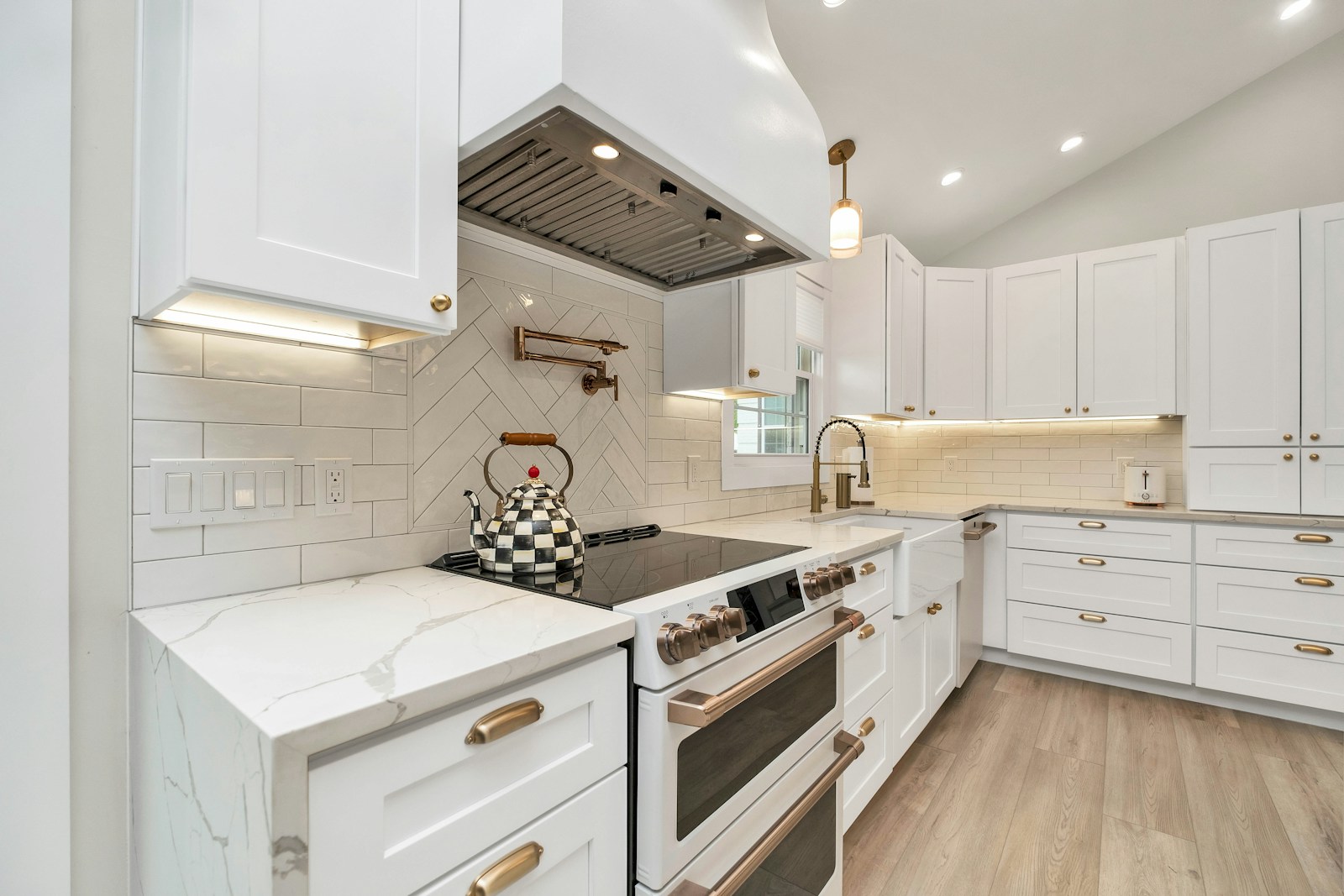
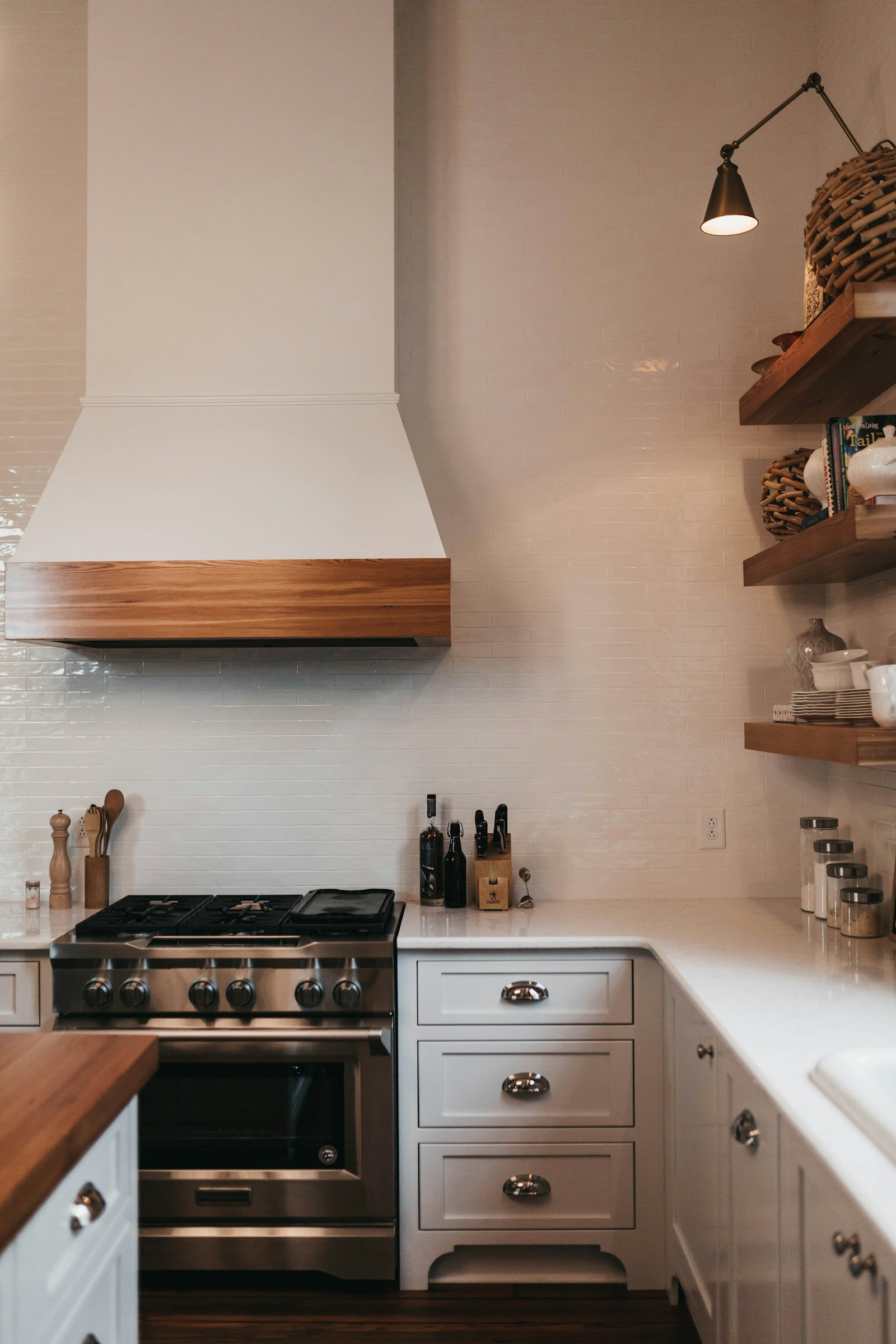
The ducted vs recirculating installation choice determines how well a Monogram range hood clears your kitchen air. Ducted hoods exhaust outside and extract best; recirculating hoods filter and return the air for situations where outside ducting is not feasible. The right choice depends on your kitchen.
Ducted installation
- Runs a duct to an exterior wall or roof cap with a damper.
- Removes heat, moisture, grease, and odor from the home entirely.
- Needs the shortest, straightest duct run possible for best airflow.
Recirculating installation
- Passes air through a charcoal filter and returns it to the room.
- Used where no exterior duct is possible (interior walls, certain apartments).
- Requires regular charcoal filter changes and extracts less effectively.
How to decide
- Can you run a duct to the outside? Choose ducted for the best performance.
- No exterior path? Choose recirculating and budget for charcoal filter changes.
- Plan the duct route, exterior damper, and power before fitting.
To understand the airflow behind each, read our how range hood ventilation works guide. For ongoing filter care, see the filter cleaning guide.
Why use a professional
Hood installation involves ductwork, an exterior penetration, electrical, and heavy lifting overhead. Professional fitting ensures the duct run, damper, and mounting are correct. Our range hood service team can advise – book the work. Ducted and recirculating options by model are on the manufacturer’s site, monogram.com.
Choosing and Installing the Right Ventilation Path
A ducted vs recirculating installation decision shapes everything about how a Monogram ZV hood performs, and it is best made before the hood is mounted because converting later means opening walls or cabinetry. The two approaches solve the same problem, clearing cooking smoke, grease, and steam, in fundamentally different ways, and each has its own install requirements.
A ducted installation vents captured air outside through rigid ductwork to a roof or wall cap. It is the more effective configuration because it physically removes heat, grease, and humidity from the home rather than just filtering odour. Its installation is also the more demanding.
- Plan the shortest, straightest duct route possible; every bend and every extra foot of duct reduces the airflow the blower can deliver.
- Use rigid duct of the diameter Monogram specifies for the hood CFM, undersized duct throttles even a powerful blower.
- Fit a proper roof or wall cap with a damper that opens under airflow and seals when the hood is off, keeping weather and pests out.
- Seal the duct joints so the captured grease-laden air cannot leak into wall or attic cavities.
A recirculating installation is chosen when running a duct to the exterior is impractical, an interior wall, a high-rise, or a slab ceiling. The hood instead passes air through a charcoal filter that absorbs odours and returns it to the room. The install is simpler because there is no ducting and no exterior penetration, but it carries trade-offs: it does not remove heat or moisture, and the charcoal filter is a consumable that must be replaced as it saturates.
The choice between them comes down to what your kitchen allows and what you need. If an exterior route exists, a ducted hood almost always performs better for serious cooking. If it does not, a recirculating setup keeps odour under control with far less structural work. Either way, the blower must be matched to the kitchen, the electrical supply must be correct and grounded, and the hood must be mounted at the height Monogram specifies above the cooktop. Because a ducted vs recirculating installation ties into structure, ducting, and wiring, having certified technicians plan and fit it ensures the airflow path is right the first time.
Book Monogram range hood service
If these steps do not resolve it, our certified technicians repair Monogram range hood units with genuine parts. Schedule a visit, see what our range hood repair service covers, or confirm your model on the manufacturer’s site at monogram.com.