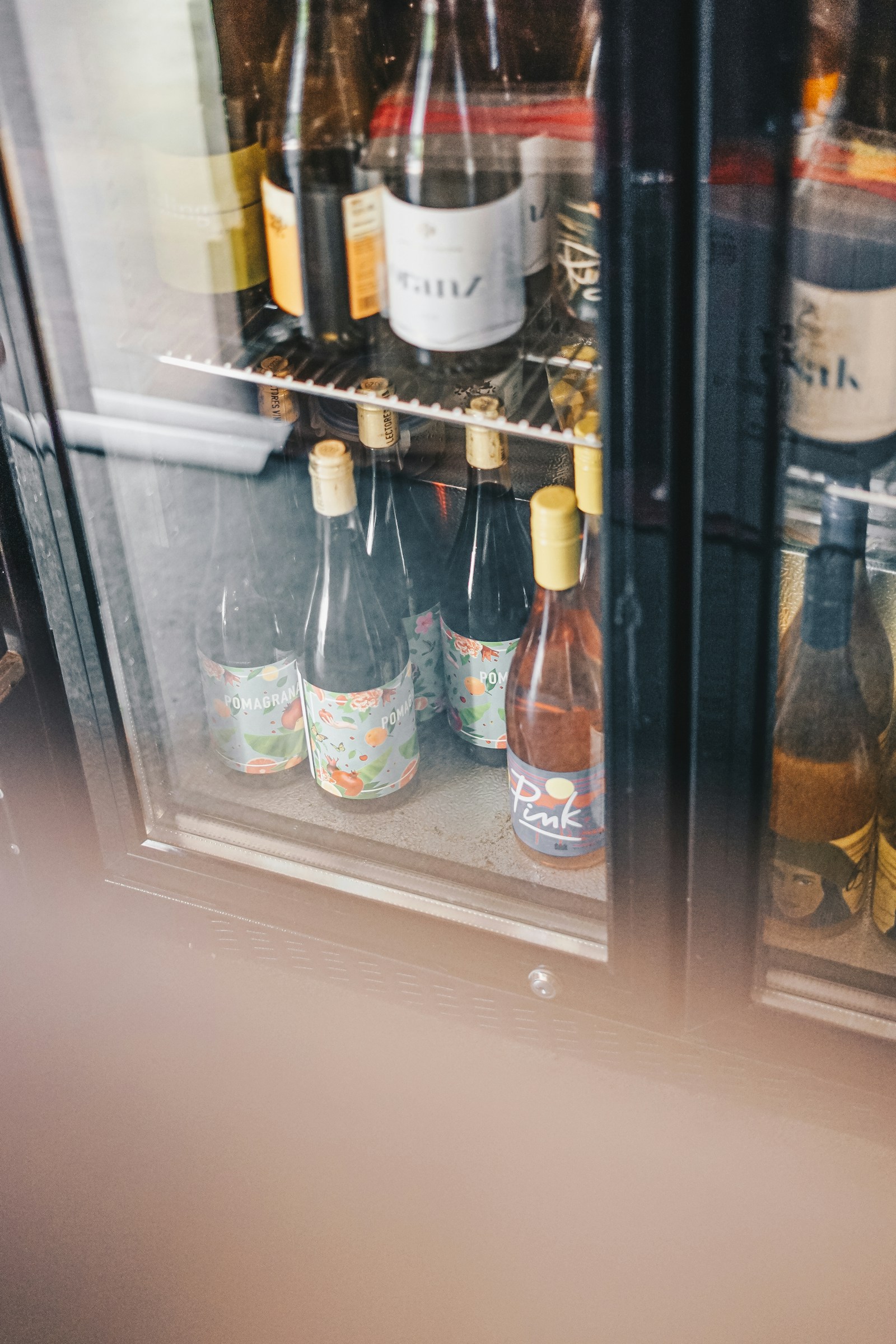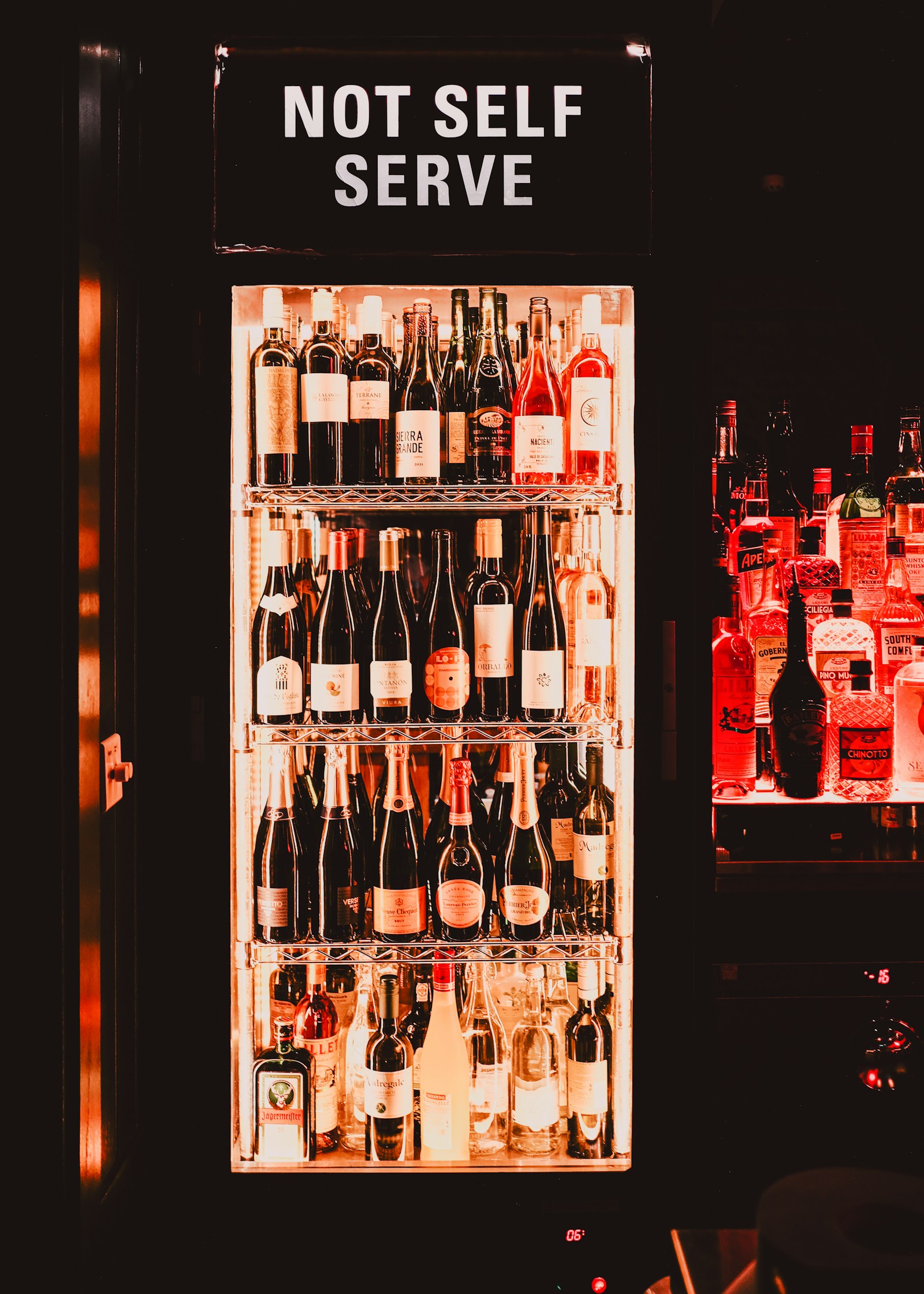
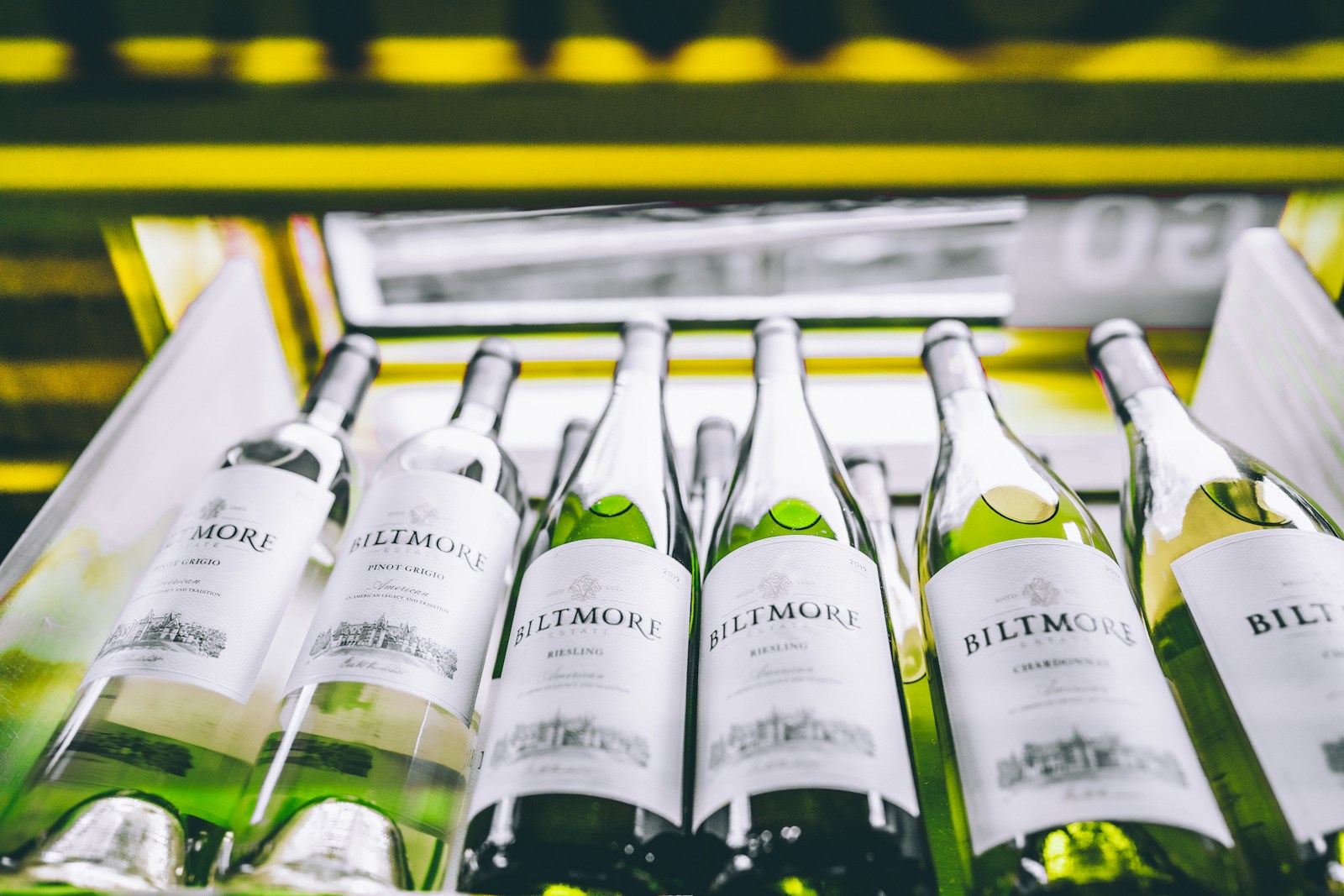
Getting the wine serving temperature right transforms how a wine tastes, and a Monogram wine reserve makes it easy – especially a dual-zone unit that holds two ranges at once. The general principle: heavier reds warmer, lighter wines and whites cooler, sparkling coldest.
General wine serving temperature ranges
- Full-bodied reds: about 60-65°F.
- Lighter reds and full whites: about 50-55°F.
- Crisp whites and sparkling: about 45-50°F.
Using your zones
On a dual-zone reserve, set the warmer zone for reds and the cooler zone for whites and sparkling so you can serve both straight from storage. Let a new setting stabilize for a day before judging it, and avoid frequent door openings that disturb the temperature.
Practical habits
- Pull a red out a touch cool – it warms in the glass.
- Keep the unit out of direct sun and away from heat sources.
- Do not over-pack so air can circulate around the bottles.
To understand how the zones hold these ranges, read our dual-zone wine cooling guide. For care that keeps the temperatures stable, see the wine refrigeration maintenance guide.
If a zone drifts
If a zone will not hold its set range, a sensor or fan may be at fault. Our wine refrigeration repair service can diagnose it – book a visit. Zone capabilities for your model are on the manufacturer’s site, monogram.com.
Pouring every bottle at its best
Dialing in wine serving temperature is the quiet skill that makes a good bottle taste like a great one. Too cold and a wine aromatics go mute; too warm and the alcohol turns harsh and the fruit goes flabby. A dual-zone Monogram wine reserve exists precisely so you can hold two serving climates at once and pour each style in its ideal window.
General serving windows
- Sparkling and Champagne: the coldest band, roughly 43 to 50°F, to keep the bubbles fine and the wine crisp.
- Crisp whites and rose: about 45 to 52°F, cold enough to stay refreshing without numbing the fruit.
- Full-bodied whites and lighter reds: around 52 to 58°F, the range that lets richer whites and chillable reds open up.
- Full-bodied reds: roughly 58 to 65°F, cooler than most rooms, which is why room temperature is misleading advice.
Using the two zones deliberately
- Assign a purpose to each zone. Set the cooler zone for whites and sparkling and the warmer zone for reds, and store bottles where they belong rather than mixing styles across shelves.
- Let the reserve do the work. Because each zone holds an independent, stable setpoint, a bottle pulled from the right zone is already near pour temperature, no ice bucket or counter-warming guesswork required.
- Account for the pour. Wine warms a few degrees in the glass within minutes, so serving a touch below your target temperature often lands perfectly by the second sip.
Why a reserve beats the kitchen fridge
A standard refrigerator runs far too cold for any wine and dries the air, while a countertop sits too warm for most. The reserve steady, low-vibration cooling and UV-tinted glass protect the bottle between pours, so the wine serving temperature you set is the temperature you actually pour. Treat the two zones as two purpose-built cellars and you will rarely serve a bottle out of its window again.
Storage versus serving
Long-term storage and serving temperature are not the same goal. For aging, a steady mid-range cellar temperature around 55°F protects most wine, while serving windows run cooler for whites and warmer for reds. A dual-zone reserve lets you split the difference, holding one zone near cellar temperature for bottles you are keeping and the other at a ready-to-pour band.
Let the glass do some work
Since wine warms a few degrees once poured, pulling a bottle slightly below target often lands it perfectly by the time you drink it.
Get expert Monogram help
Still stuck? Our wine refrigeration repair service uses genuine Monogram parts and a labour warranty. Schedule service any time, and review model details on the manufacturer’s site at monogram.com.