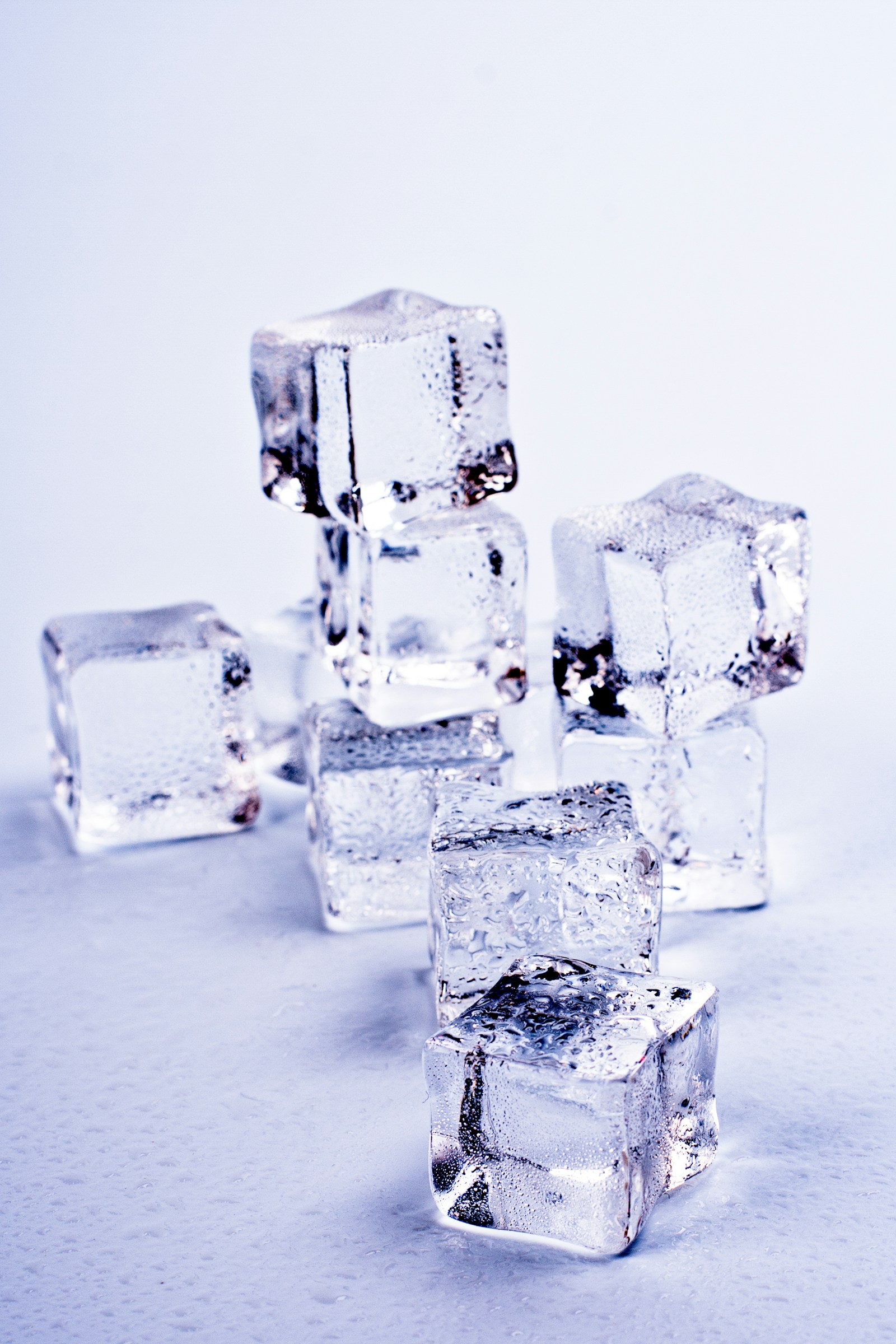
Understanding how clear-ice production works explains why a dedicated Monogram ice maker produces such different ice from a freezer tray. Clear-ice machines freeze water gradually in thin layers, which pushes out the dissolved air and minerals that make ordinary ice cloudy – leaving dense, transparent cubes that melt slowly.
How clear-ice production works step by step
Water is circulated over a chilled evaporator plate. As each thin layer freezes, the impurities and air are flushed away by the moving water rather than frozen in place. Only the pure water bonds to the growing ice, so the cube builds up clear and dense. When the cube reaches size, a harvest cycle releases it into the bin.
Why clear ice is different
- Slow-melting – dense, low-air ice lasts longer in a glass without diluting the drink.
- Crystal clear – no trapped cloudiness, ideal for spirits and entertaining.
- Clean taste – filtered, flushed water means no off flavors.
Getting the best ice
- Keep the water filter fresh so the supply stays clean.
- Descale regularly so the plate and water path stay efficient.
- Keep the condenser grille clear so harvest cycles complete on time.
For the upkeep that keeps clear ice clear, see our ice maker maintenance guide. If production drops or the ice clouds, the no-ice troubleshooting guide walks through the causes.
If the ice is not clear or not coming
Cloudy ice usually means an overdue filter or scale rather than a fault, but a stalled harvest can point to the water pump or a sensor. Our ice maker repair service can diagnose it – book a visit. You can confirm whether your model is a clear-ice or nugget unit on the manufacturer’s site, monogram.com.
The science of a clear cube
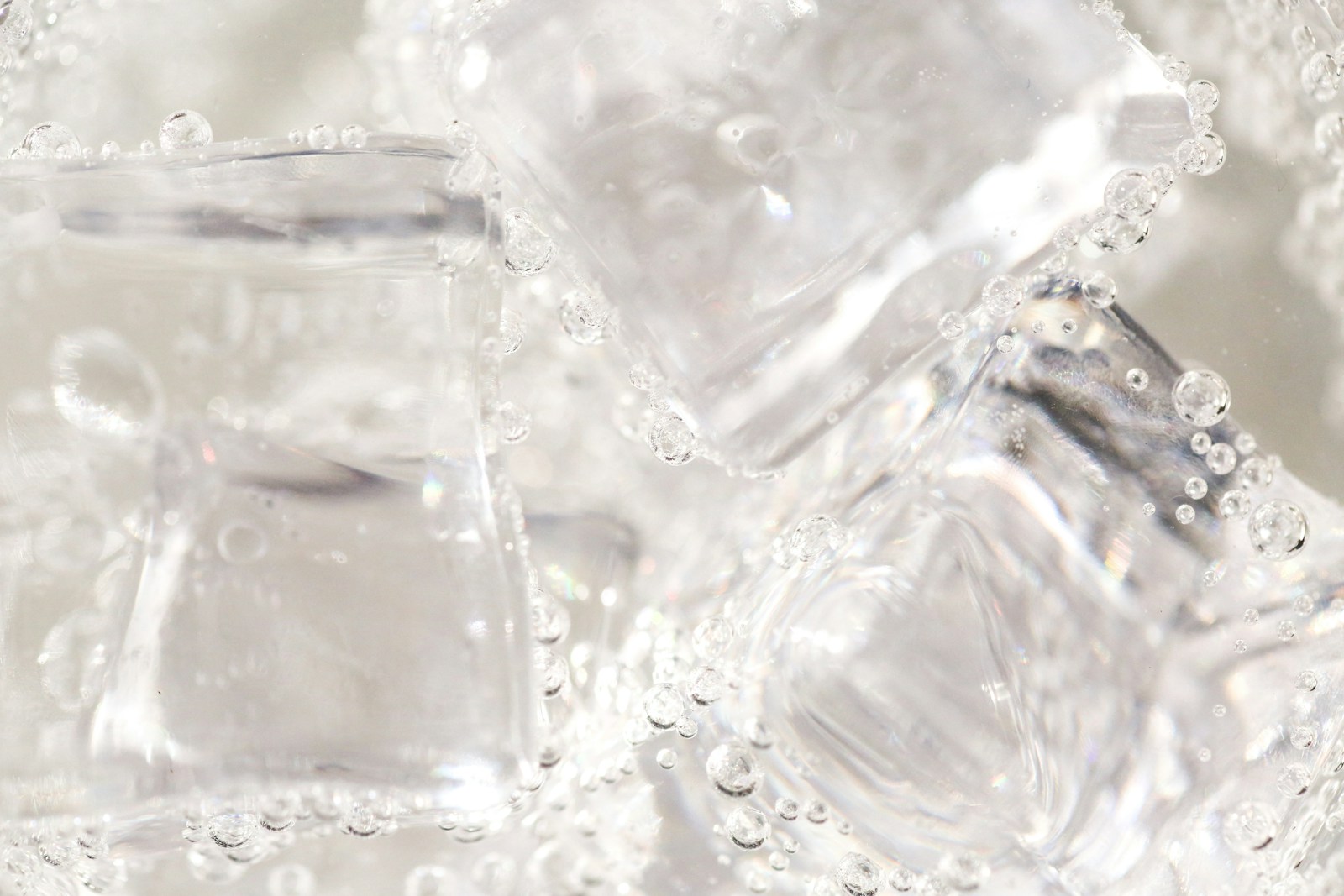
Understanding how clear-ice production works explains why a Monogram clear-ice maker (the UNC and UCC models, such as UNC15NPRII and UCC15NJII) produces glass-like ice instead of the cloudy cubes a freezer tray makes. The cloudiness in ordinary ice is trapped air and dissolved minerals. When water freezes fast and from all sides at once, those impurities and gases get locked inside the cube, scattering light and turning it white.
Slow, layered, moving water
Clear ice is the result of slow, layered freezing of moving water so that impurities and air are excluded. A clear-ice maker flows water continuously over a chilled plate, building the ice up in thin layers rather than freezing a whole cube at once. As each layer freezes slowly, the water molecules lock into a clean lattice while air and minerals stay dissolved in the moving water and are carried away rather than trapped. The result is a dense, transparent cube.
Why it matters in practice
- Slower melt. Dense, clear ice has less trapped air, so it melts more slowly and dilutes a drink less.
- Cleaner taste. Excluding dissolved impurities means the ice carries less off-flavor into the glass.
- Appearance. Transparent cubes are the visual standard for cocktails and spirits.
Because the process is gradual by design, a clear-ice maker produces at a measured pace rather than racing like a nugget machine; that slowness is the feature, not a fault. Knowing how clear-ice production works also clarifies maintenance: since the system relies on water flowing freely over a plate and draining cleanly, mineral scale is its enemy, which is why a clear-ice maker needs a clean water supply and a reliable drain to keep turning out flawless cubes.
Why production seems slow
Because clear ice forms in thin layers from flowing water, a clear-ice maker yields less per cycle than a nugget machine; that measured pace is a deliberate trade for transparency and slow melt, not a malfunction.
Get expert Monogram help
Still stuck? Our ice maker repair service uses genuine Monogram parts and a labour warranty. Schedule service any time, and review model details on the manufacturer’s site at monogram.com.